Bunny - Jacket Embroidery Design Review for Real Projects
As an embroidery designer and product reviewer with years of hands-on experience, I’ve evaluated countless digital embroidery designs—some that shine in the right context, others that fall flat despite their charm. Bunny - Jacket is a design that caught my eye not just for its whimsical character but also for how it could realistically translate into embroidered products. Let’s take a closer look at what this vector-based illustration offers and where it truly shines in real-world applications.
A Playful Yet Practical First Impression
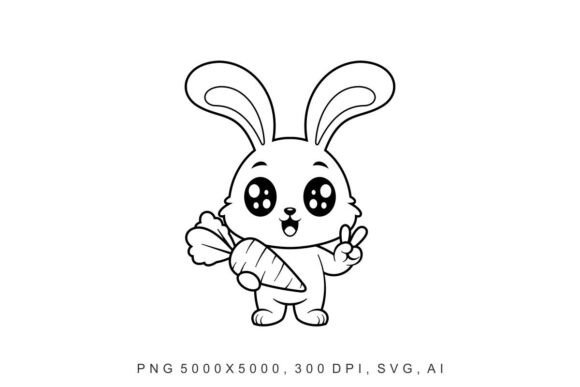
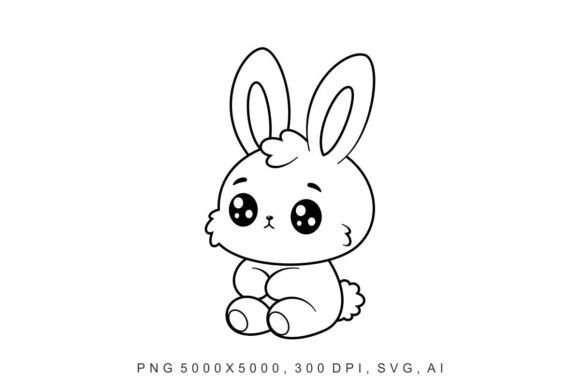
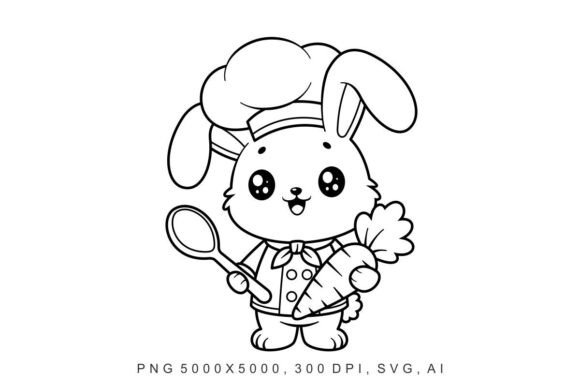
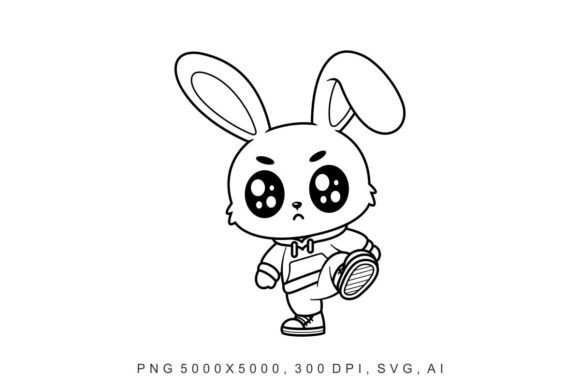
The first thing that stands out about Bunny - Jacket is its personality. It’s a bunny wearing a jacket and shoes—simple enough, but there’s a sense of warmth and approachability to the character. The layout is clean, with clear lines and no overwhelming detail. This makes it immediately suitable for a variety of embroidery projects where a friendly, recognizable image is key.
I was especially drawn to the shape and proportion of the bunny. It’s stylized yet retains a sense of realism that helps it stand out on fabric. The clothing elements add a touch of sophistication without complicating the overall silhouette. This balance between simplicity and visual interest is rare in many embroidery illustrations, making Bunny - Jacket a strong candidate for custom apparel and gift items alike.
Where It Naturally Fits
- Tote bags: The bunny looks great as a central motif, adding character to reusable bags or holiday-themed gifts.
- Sweatshirts and hoodies: Its soft appearance complements cozy fabrics and feels at home in casual, kid-friendly wear.
- Custom baby items: From onesies to bibs, the design brings a gentle and comforting vibe.
- Embroidered patches: It works well as a standalone patch for denim jackets, backpacks, or cap embellishments.
- Pillow covers and nursery decor: The bunny’s design fits perfectly in home décor, especially when paired with pastel thread colors and soft textures.
- Holiday gifts and seasonal items: With slight color variations, it can be adapted for Easter cards, personalized mugs, or festive tote prints.
Real-World Embroidery Performance
When considering how Bunny - Jacket performs in actual embroidery settings, several factors come into play. As a vector file, it scales well, which is ideal for both small and large projects. However, since the description doesn’t specify exact stitch counts or machine compatibility, it’s important to test the design before committing to production runs.
For sweatshirt embroidery, the bunny’s size and complexity should be adjusted depending on the placement. A medium-sized version stitched on a chest area would work beautifully, while a larger one might suit a back pocket or sleeve graphic. The absence of tiny lettering means you won’t run into issues with stitching clarity on stretchy or textured fabrics like fleece or organic cotton.
In custom apparel for children, the design’s gentle curves and minimal intricate details make it easier to stitch accurately compared to more complex characters. That said, if you plan to embroider it onto a curved surface like a baseball cap, some manual adjustments may be necessary to maintain the bunny’s proportions and prevent distortion.
As an applique design, Bunny - Jacket has potential. The jacket and shoes offer good opportunities for using satin stitches around the edges, giving it a polished finish. For fill areas like the body or face, consider using light-to-medium density fill stitches to avoid puckering, especially on thin or stretchy materials.
What Works Best
- Flat, stable surfaces such as tote bags or pillow covers
- Fabrics with smooth textures like quilting cotton or felt
- Projects requiring a friendly, all-ages appeal
- Digital embroidery files used for commercial or handmade product lines
- Printable mockups for Etsy sellers or craft fair displays
Cautions and Considerations
While Bunny - Jacket is versatile, there are a few places where extra attention is needed. For instance, if you're working with a small hoop size, you’ll need to scale down carefully to preserve the bunny’s legibility and charm. Over-compressing the design can lead to loss of definition and a cluttered look.
On textured or stretchy fabrics, like knits or canvas, the design might require additional stabilizer support. Especially if the bunny is placed near seams or folds, you want to ensure the stitches hold up through movement and washing. Similarly, dark fabric backgrounds could reduce visibility unless you choose bold thread colors or incorporate white outlines.
If your project involves layered garments, such as a hoodie over a t-shirt, the bunny might get lost unless positioned high on the front panel or reinforced with contrasting thread choices. And for those looking to use it on curved surfaces, like caps or sleeves, expect to spend time adjusting the design to match the curvature naturally.
Design Limitations to Note
- No specific stitch count provided—important for estimating embroidery time and cost
- No mention of compatible embroidery machines—check your software for import capabilities
- Lack of defined license terms—if you plan to sell finished products, confirm commercial rights before proceeding
Visual Appeal and Market Value
From a customer perspective, Bunny - Jacket is undeniably appealing. It’s the kind of design that evokes nostalgia and joy—perfect for personalized gifts or branding items for a boutique or small shop. The bunny’s expression is subtle but expressive, allowing it to blend into various themes without feeling forced.
As an Etsy seller or handmade product creator, using this design can elevate your offerings from generic to unique. It adds a level of professionalism and care that customers notice, especially when presented alongside high-quality mockups or photos of finished products.
However, don’t underestimate the importance of thread color contrast. On dark or busy fabrics, the bunny might fade visually. Test it in black-and-white to see how it holds up under different lighting conditions and fabric types. You might find that adding a running stitch outline or using metallic threads enhances its visibility significantly.
Factors That Influence Project Success
- Stitch density affects durability and texture—adjust based on fabric weight
- Color palette choice impacts brand consistency and buyer engagement
- Design placement determines whether it becomes the focal point or gets overshadowed by other elements
- Scalability allows for creative flexibility, but always verify performance at different sizes
Designer Tips for Using Bunny - Jacket Effectively
Here are a few practical notes I’d share with fellow embroidery designers and makers:
- Test on scrap fabric first: Especially if you’re planning a commercial run, do a trial stitch to assess how the design behaves with your machine and thread setup.
- Check thread color contrast: Use a white or cream background in your preview to simulate how the design will appear on darker fabrics.
- Review stitch density: Adjust fill stitches for delicate or stretchy materials to avoid distortion or puckering.
- Confirm hoop size: Ensure the design fits within your hoop dimensions after scaling, particularly for smaller items like patches or aprons.
- Inspect small details: Although Bunny - Jacket doesn’t have overly intricate features, double-check the shoes and jacket lines for smoothness and accuracy.
- Use proper stabilizer: Especially on woven or lightweight fabrics, a tear-away or cut-away stabilizer can make all the difference in stitch quality.
- Compare light and dark fabric backgrounds: Your design might look great on a pastel sweatshirt but disappear on navy denim—preview in both scenarios.
- Consider licensing: If you intend to sell finished products or digital embroidery files, verify that you have the appropriate permissions.
Final Thoughts on Bunny - Jacket
Bunny - Jacket isn’t just another cute animal illustration—it’s a design that carries emotional weight and visual versatility. When used thoughtfully, it can enhance the product value and giftability of your creations, whether you're making personalized baby clothes or designing a line of holiday-themed tote bags.
Its visual appeal is broad enough to attract multiple demographics, including parents, kids, and even pet lovers. That makes it a solid addition to your design assets for both personal and commercial embroidery projects. Just remember: while it’s a charming design, success depends on how well you adapt it to your materials, tools, and audience expectations.
If you’re a craft business owner or an embroidery project enthusiast, I recommend downloading the digital embroidery file and running a few tests. Once you understand its behavior across different substrates and scales, you’ll likely find it’s a valuable part of your creative toolkit.