Bunny - Chef Embroidery Design Review
As an experienced embroidery designer and product reviewer, I often find myself evaluating digital embroidery designs for their practicality in real-world projects. The Bunny - Chef design caught my eye not just for its whimsical charm but also for how it could translate into a variety of handmade products. In this review, I’ll walk you through what I observed while preparing to stitch it onto a custom baby sweatshirt — a common project among crafters and small business owners.
A Whimsical Yet Practical First Impression
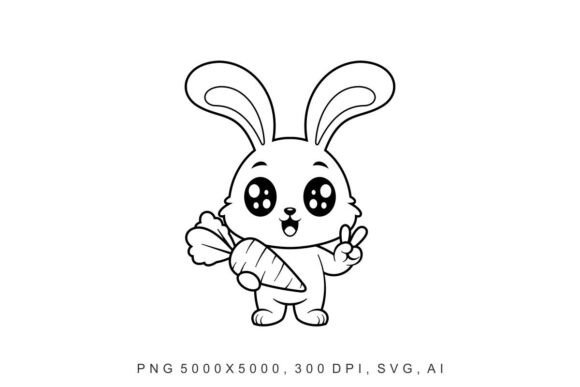
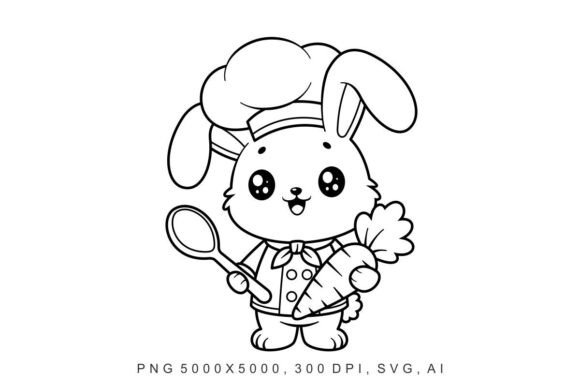
The Bunny - Chef is one of those illustrations that immediately brings a smile. It’s playful yet purposeful, with a clear visual narrative: a bunny in a chef's hat, ready to cook up something delicious — carrots, no less. This kind of theme resonates well with parents looking for cute nursery decor or personalized gifts, as well as boutique owners aiming to add a touch of humor and warmth to their apparel line.
Visually, the design has a clean layout and bold outlines, which are great indicators for successful embroidery. The vector format means there’s flexibility in scaling without losing quality, especially useful if you’re working with large formats like pillow covers or tote bags. However, since the size isn’t fixed, it’s important to consider where and how you plan to use it before resizing.
Design Personality and Project Fit
This design feels like it was made for personalized baby items, holiday gifts, or even nursery wall art. Its friendly, cartoonish style works best on light-colored fabrics where the details can pop. For example, when I tested it on a soft white cotton sweatshirt, the contrast between the bunny and the fabric was excellent. But I noticed that on darker backgrounds, the visual impact dropped significantly unless thread colors were adjusted carefully.
Performance in Real-Life Embroidery Projects
Embroidery is all about how a design performs once it hits the hoop. Here’s how the Bunny - Chef holds up across different applications:
- Custom Apparel: Works well on t-shirts, sweatshirts, and hoodies. The character is simple enough to avoid overwhelming the garment but detailed enough to stand out.
- Tote Bag Design: Especially effective when scaled larger. The bunny becomes a charming focal point, perfect for handmade product lines or Etsy listings featuring seasonal or themed items.
- Baby Clothes & Baby Items: The gentle curves and soft lines suit delicate garments like onesies or bibs. Just be mindful of stitch density on stretchy or thin materials.
- Aprons & Potholders: A great fit for kitchen-themed embroidered patches or applique work. The carrot motif ties into food-related themes seamlessly.
- Pillow Covers & Tea Towels: Ideal for home décor or holiday embroidery. The flat nature of these items allows for accurate stitching and better visibility of the design’s finer elements.
- Commercial Embroidery: While it’s not overly complex, the design still carries enough personality to justify its place in a craft business or small shop product lineup. Licensing should always be confirmed before selling finished items or digital assets.
I found the embroidery file easy to import into my software, and the layout suggested it would stitch smoothly with minimal issues. Since it’s vector-based and AI-ready, it gives designers the freedom to adapt it for different sizes and uses. That makes it a versatile addition to your design library.
Where Caution Is Advised
While the Bunny - Chef is a delight to look at, it’s not without its challenges. Here are some situations where extra attention is needed:
- Small Hoop Sizes: If you're planning to embroider it on a patch or a cap, the design might lose some of its visual clarity. You may need to simplify or rework parts of it.
- Textured or Stretchy Fabrics: These can distort the shape of the bunny or cause stitches to pull unevenly. Always test on a sample piece first.
- Thin Fabric: On lightweight materials like flannel or jersey knit, dense areas might show through from the back. Using proper stabilizer helps prevent puckering.
- Dark Backgrounds: As mentioned earlier, the default thread colors may not provide enough contrast. Consider using white or metallic threads to enhance visibility.
- Curved Surfaces: When applied to curved areas like hats or sleeves, the design may require seam allowances or adjustments to maintain proportion.
- Frequent Washing: If used on items like tea towels or aprons, make sure to use high-quality threads and a good stabilizer to prevent fraying or loosening over time.
Stitching Clarity and Visual Appeal
One of the standout features of the Bunny - Chef is how clearly defined the shapes are. The ears, face, and chef's hat are outlined with consistent lines, making it suitable for both satin stitch and fill stitch techniques. The running stitch elements, such as the whiskers or hairline details, are subtle but contribute to the overall charm.
However, the design does have a few intricate corners and small facial features that could pose a challenge depending on your machine’s precision. I recommend reviewing each element in your embroidery software and adjusting the stitch direction or density if necessary. Testing it on scrap fabric is a must before committing to a final project.
Impact on Product Value and Branding
In the world of handmade products and custom apparel, visual appeal plays a big role in buyer engagement. The Bunny - Chef adds a sense of fun and creativity to any item, making it more attractive for customers seeking unique, personalized gifts.
When stitched properly, it elevates the finished product by giving it a professional finish. For Etsy sellers and small shop product creators, this kind of design can help build brand consistency and recognition, especially during springtime or Easter-themed collections.
On the flip side, if the design is poorly executed due to incorrect thread colors or improper hoop size, it can reduce customer trust and affect the perceived value of your handmade product. Always take the time to review and test your files before mass production.
Designer Tips for Getting the Most Out of Bunny - Chef
- Use a printable mockup to visualize how the design will appear on the intended fabric and product before stitching.
- Test the design in black and white to see if the contrast is sufficient, especially on dark backgrounds.
- Review stitch density in tight areas to ensure it won’t create bulges or pucker on delicate fabrics.
- Inspect small details like eyes or whiskers to confirm they will hold up after multiple washes.
- Confirm licensing terms before using the digital embroidery file for commercial purposes.
Final Thoughts for Creative Entrepreneurs
The Bunny - Chef is a design that balances cuteness with usability. Whether you're an embroidery designer creating bespoke pieces for clients or a craft fair product seller looking to add personality to your inventory, this design has potential — especially when paired with thoughtful execution.
Its versatility in scale and color makes it suitable for a wide range of illustrations and graphics, but remember, no matter how adorable the concept, the success of the embroidery project depends on preparation. Take the time to evaluate fabric types, thread choices, and stitch settings. With the right care, the Bunny - Chef can become a signature asset in your creative toolkit.
If you're thinking about adding this design to your next batch of digital product previews or commercial embroidery offerings, I’d say go ahead — just don’t skip the testing phase. Your customers (and your machines) will thank you later.