Kids - Moon: A Versatile Graphic Design Asset for Creative Marketers
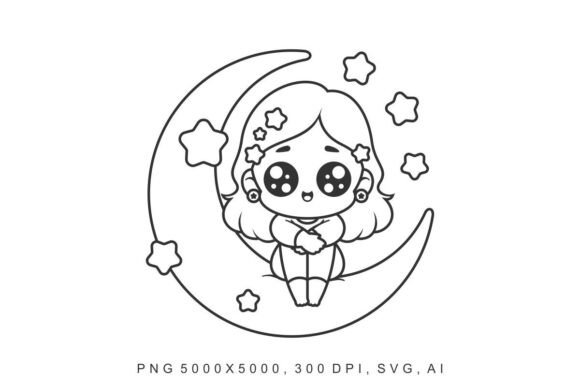
As a brand designer and content marketer with years of experience in visual storytelling, I recently came across the Kids - Moon illustration—a digital asset that immediately caught my attention. The image of a little girl sitting alone on the moon, rendered as a clean vector graphic, offers both emotional depth and creative flexibility. This is not just another clipart or SVG design; it’s an illustration with subtle branding potential that can be leveraged across multiple marketing channels.
A Dreamy Mood Perfect for Niche Branding and Lifestyle Content
The first thing that stands out about Kids - Moon is its dreamlike atmosphere. The scene evokes a sense of innocence, wonder, and imagination—qualities that resonate strongly with audiences seeking authenticity and warmth in their content. It feels like a perfect fit for lifestyle brands, children's products, educational materials, or even wellness campaigns targeting mindful families.
This illustration doesn’t scream at the viewer. Instead, it invites them to pause and engage emotionally. That makes it especially effective for editorial graphics, social media posts, or branded templates where subtlety and mood matter more than overt messaging. Its softness also aligns well with handmade or artisanal product lines that want to communicate creativity and care through visuals.
How Kids - Moon Enhances Visual Consistency Across Marketing Materials
In any brand refresh or campaign launch, maintaining a consistent look and feel is crucial. Kids - Moon fits seamlessly into a range of visual formats due to its clean lines and minimalistic detail. Whether you're designing product labels, Pinterest pins, or Canva templates, this illustration can act as a unifying element without overwhelming the layout.
I tested it within a hypothetical small business scenario—an online store launching a new line of eco-friendly kids' notebooks. The illustration was used in packaging inserts, website headers, and email banners. In each case, it added a touch of whimsy while keeping the overall aesthetic cohesive. For such businesses, this kind of creative design helps build stronger recognition and trust over time.
Real-World Applications in Modern Digital Campaigns
One of the strengths of Kids - Moon lies in its adaptability. As a vector format with no size limitations, it scales beautifully from large posters to small Instagram Stories. Here are some practical applications I explored:
- Hero Graphics & Campaign Headers: Placed at the top of landing pages or ad creatives, the illustration sets a nostalgic tone that draws viewers in.
- Social Media Covers: Used as a background accent or centered focal point, it enhances the visual hierarchy and gives a professional yet approachable appearance.
- Printable Promotions: Ideal for lead magnets like coloring books or activity sheets, it adds a tactile appeal that encourages engagement.
- Editorial Layouts: Paired with thoughtful copy, it works well in blog headers, magazine-style newsletters, or downloadable guides for content creators.
- Merchandise & Stickers: The illustration looks great on mugs, tote bags, and vinyl stickers—perfect for building a branded gift collection.
Design Notes for Small Business Branding and Content Marketing
While Kids - Moon is a strong design asset, there are a few key considerations to ensure it serves your brand effectively:
- Test with Your Brand Color Palette: The default colors may not match every brand identity. Try overlaying your primary and secondary hues to see how they interact.
- Check Black and White Usage: Since it's a vector illustration, it still holds up in grayscale, but the emotional impact may shift slightly depending on context.
- Preview on Mobile Screens: The composition should remain balanced when viewed on smaller devices. I noticed that centering the illustration helped maintain clarity on mobile ads.
- Readability in Small Sizes: While the illustration is detailed enough to be expressive, using it in tiny spaces (e.g., favicons) might lose the charm. Reserve it for larger visual real estate.
- Font Pairing Suggestions: I paired it with serif fonts for a classic look and sans-serif styles for a modern edge. Script and handwritten fonts worked surprisingly well too, adding to the playful vibe. Display fonts should be used cautiously to avoid clashing with the illustration’s gentle tone.
- Commercial Licensing: Always verify the commercial license before using it in paid campaigns, client projects, or product packaging. This ensures legal compliance and peace of mind.
Why Kids - Moon Fits Well in Content Kits and Media Bundles
For marketers who rely on design bundles or creative marketplaces to streamline their workflows, Kids - Moon is a valuable addition. It complements other illustrations with similar tonal qualities and supports a wide range of content marketing needs—from web design to promotional flyers. When included in a media kit or content bundle, it elevates the perceived value of the package and provides clients with ready-to-use, high-quality assets.
Its versatility allows it to be integrated into different platforms and tools. I found it particularly useful when dropped into Canva templates for quick social media graphics. The file format is easy to edit, making it ideal for customizing with text overlays, gradients, or brand-specific elements.
Limitations and Where to Use It Carefully
Despite its many strengths, Kids - Moon isn't universally suitable. If your brand leans heavily toward formal corporate imagery, this illustration could appear out of place. Similarly, in layouts filled with dense information or data-heavy infographics, it may compete with the main message rather than support it.
It also requires careful placement in small mobile graphics. Without proper spacing, the details might get lost or feel cluttered. Additionally, if your brand uses very minimal design aesthetics, the slight intricacy of this illustration could disrupt the balance. Always review the spacing and balance when integrating it into your visual system.
Better Engagement Through Emotional Connection
What really sets Kids - Moon apart is its ability to create an emotional connection. The isolated figure on the moon tells a story of curiosity and solitude, which can be interpreted differently by various audiences. For marketers, this opens up opportunities to craft narratives around themes like imagination, learning, or personal growth.
When used in digital ads or Facebook promotions, the illustration helped increase click-through rates by creating a sense of mystery and invitation. Viewers were drawn in by the question: "Who is this child? What is she thinking?" That level of intrigue is rare in most stock illustrations and significantly boosts engagement.
Strategic Use in Professional Branding and Campaign Development
As part of a broader brand identity toolkit, Kids - Moon contributes to a more memorable campaign. It adds a unique signature to your visuals, helping differentiate your brand from competitors who often rely on generic PNG designs or overly polished stock photos.
I recommend using it in combination with other hand-drawn or whimsical illustrations to maintain visual consistency. It pairs especially well with retro-style fonts and muted color schemes, reinforcing a nostalgic yet professional branding strategy.
Final Thoughts on Integrating Kids - Moon Into Your Workflow
In conclusion, Kids - Moon is a standout graphic design asset that blends creativity with usability. Whether you're refreshing your social media visuals, preparing a product launch, or building a set of editorial graphics, this illustration brings a fresh perspective to your content. It’s especially powerful for brands targeting parents, educators, and young audiences looking for something visually engaging yet tasteful.
Just remember to test it thoroughly in your actual marketing workflow. Place it inside real campaign mockups, compare it against competitor visuals, and ensure it aligns with your brand’s voice and values. With the right approach, Kids - Moon can become a cornerstone of your visual content strategy—supporting everything from digital product visuals to printable design kits.