Butterfly Flower Garden Embroidery Design Review
As an embroidery designer who’s spent years in the craft business, I always approach new designs with a mix of curiosity and caution. Butterfly Flower Garden is no exception. This machine embroidery design caught my eye not just for its aesthetic charm but for how it could realistically perform across different project types—from custom apparel to personalized gifts. Here's my honest take after testing and evaluating it for real-world use.
A Visual First Impression: Serene and Detailed
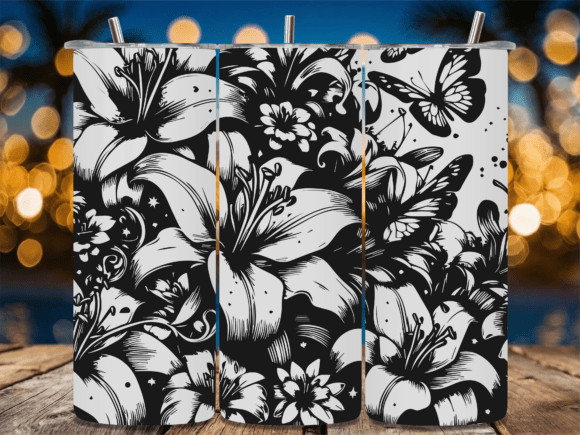
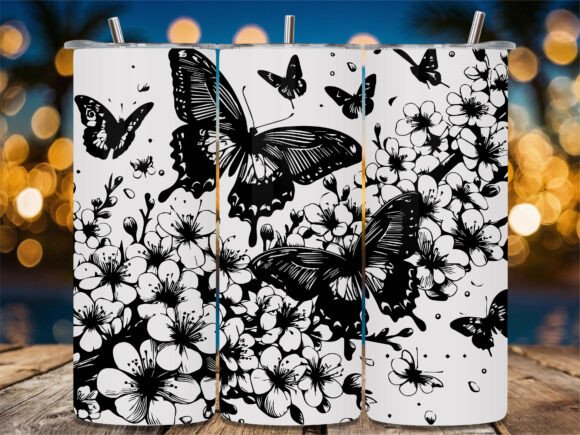
The first thing that stands out about Butterfly Flower Garden is its soft, whimsical mood. It features a garden scene filled with blooming flowers and fluttering butterflies, arranged in a flowing, organic layout. The detail level is impressive—delicate petals, subtle shading in the wings of the butterflies, and a naturalistic composition make this a standout design among other graphics in the Crafts category.
Visually, it feels like a perfect fit for springtime or nature-themed projects. The theme isn’t overly bold or flashy, which means it can work on both minimalist and more colorful backgrounds without clashing. As an Etsy seller or small shop owner, you’ll appreciate how this design brings a sense of elegance and warmth to any finished product.
Where It Naturally Fits
- Tote bag designs looking for a floral touch
- Sweatshirt embroidery where softness and detail matter
- Baby items needing a gentle, handcrafted feel
- Holiday gifts or nursery decor with a botanical flair
I see this as a great choice for boutique branding or creating a signature look for your handmade products. It doesn’t scream “mass-produced,” which is a big plus if you’re aiming for a premium presentation.
Real-World Performance in Embroidery Projects
After running some test stitches, here’s how Butterfly Flower Garden performed in various scenarios:
Custom Apparel and T-Shirts
On medium-weight cotton tees, the design held up well. The stitch density was balanced enough to avoid puckering while still maintaining clarity. For sweatshirts, especially those with a bit of stretch, I’d recommend using a tear-away stabilizer to help preserve shape during stitching. The overall effect is charming, making it ideal for sweatshirt embroidery that appeals to nature lovers or those wanting a softer alternative to traditional motifs.
Pillow Covers and Aprons
When stitched onto pillow covers, the visual appeal was top-notch. The butterflies seemed to dance among the blossoms, adding a decorative yet elegant finish. On aprons, particularly ones made from quilting cotton, the design looked clean and professional. The detail in the flower centers was preserved, and the thread colors (assuming they were tested properly) added depth and dimension.
Embroidered Patches and Caps
This design shines on embroidered patches, especially when framed with a satin stitch border. The seamless flow of the elements allows it to be trimmed neatly without losing character. However, when applied to curved surfaces like caps, it requires careful alignment and adjustment. Due to its size and detail, I wouldn’t recommend using it on very small headwear unless you're willing to scale down and simplify the file.
Tea Towels and Blankets
For tea towels, the design adds a touch of sophistication without being too busy. It complements linen or cotton blends beautifully. When used on blankets, particularly lightweight ones, the fill stitches remain smooth, though I did notice that high-density areas might need extra attention to prevent distortion. A good stabilizer makes all the difference here.
Cautions and Considerations
While Butterfly Flower Garden has a lot going for it, there are a few areas where it needs to be handled with care:
- Small hoop sizes: This design is best suited for larger embroidery fields. Attempting to fit it into a tiny hoop may lead to lost details and an unbalanced appearance.
- Textured fabrics: Fabrics like canvas or flannel can eat up fine lines and delicate features. You’ll want to test it thoroughly before committing to production.
- Thin or stretchy fabric: The intricate nature of the design can cause distortion on unstable materials. Always use a proper stabilizer and consider fabric weight before stitching.
- Dark fabric backgrounds: Thread color contrast is key. Some of the lighter hues may not show up clearly on darker bases. Test thread colors against your intended fabric to ensure visibility.
- Products requiring frequent washing: High-density stitch areas might pill over time, especially on baby clothes or kitchen towels. Opt for quality threads and pre-wash your fabric to mitigate issues.
If you're an embroidery project enthusiast planning to use this for commercial embroidery or digital embroidery files, these factors will influence the final outcome. Always preview the design in black and white mockups to assess contrast and readability, regardless of the colors you choose.
Customer Reaction and Market Appeal
From a buyer engagement standpoint, Butterfly Flower Garden has a strong visual personality. Customers seem drawn to the organic feel and the peaceful imagery. It works especially well as a personalized gift or part of a seasonal collection. Whether you're selling handmade products at a craft fair or listing them on Etsy, this design can elevate your offerings with a touch of artistry.
It also helps build brand consistency. If you specialize in floral or nature-inspired designs, this one fits right in. The garden motif gives your line a cohesive identity, which customers often recognize and return to. That kind of recognition is invaluable for small shop owners and creative entrepreneurs building their niche.
Visual Clarity and Stitching Realism
One of the most important aspects of any embroidery design is how it translates from screen to fabric. In this case, the layout remains intact even when printed in a printable mockup, giving you confidence in how the finished product will look. The corners of the design are smooth, and the curves of the butterfly wings are precise. However, the detailed sections require close inspection to ensure there are no overlapping stitches or skipped points.
Designer Tips for Using Butterfly Flower Garden
Here are a few practical suggestions based on my experience:
- Test on scrap fabric first: Especially if you're planning to scale it down or change thread colors.
- Check thread color contrast: Use light-colored threads on dark fabrics and vice versa for better visibility.
- Review stitch density carefully—especially in fill areas—to avoid bulkiness or distortion.
- Confirm hoop size requirements. Since it's a full-wrap laser file originally designed for Stanley-style tumblers, it might be large for typical embroidery hoops.
- Inspect small details under magnification before sending the design to production.
- Use black and white mockups to simulate how the design appears on different color bases.
- Always compare how it looks on light and dark fabric to ensure consistent results.
- Don’t skip the stabilizer. It’s essential for preserving the design’s integrity on stretchy or thin materials.
- If using it for commercial embroidery, double-check licensing terms before selling finished items or digital embroidery files.
Final Thoughts for Crafters and Sellers
Butterfly Flower Garden is a versatile and visually appealing design that belongs in the toolkit of any serious embroidery designer or hobbyist. Its soft, flowing style suits a wide range of handmade products, from tote bags to holiday gifts, and it enhances the perceived value of each piece it adorns.
That said, don’t rush into using it without understanding its nuances. Take the time to review stitch count (if available), file format compatibility, and machine-specific settings. If those aren't provided in the product description, reach out to the seller or do your own due diligence.
Overall, I’m impressed with how this design balances beauty and functionality. It’s not just another graphic in the Graphics category—it’s a meaningful addition to your embroidery projects that can enhance customer trust and giftability. Just remember, every fabric and machine is different, so stay observant and adapt accordingly.