★★★☆☆3.5(140 reviews)
Apple Silhouette SVG Cut File for Crafts Review
Where This Design Thrives: Real-World Applications
- Tote bag designs — Especially ones with a clean, uncluttered style.
- Sweatshirt embroidery — It complements soft, cozy aesthetics without overpowering them.
- Embroidered patches — Its simplicity translates well into patch form, making it great for denim jackets or bags.
- Baby clothes and nursery decor — For those looking to add a touch of sophistication or tech-inspired charm.
- Holiday gifts and personalized products — Think embroidered mugs, aprons, or kitchen towels with a festive twist.
Design Notes: Stitch Clarity and Fabric Compatibility
I recommend using a high-contrast thread color like white, black, or metallics for optimal visibility. If your fabric is dark, consider adding a white underlay or using a stabilizer to ensure the stitches don’t get lost. On lighter fabrics such as cotton or linen blends, the design reads beautifully even with basic thread choices. For commercial embroidery, I found that it maintains its integrity across different scales. Shrinking it down for a hat or expanding it for a pillow cover didn’t affect the quality of the cut file or the final stitch outcome. But here’s the catch: if you’re working with thin or stretchy fabrics, you’ll want to adjust your stitch density slightly and use a tear-away or cut-away stabilizer to prevent puckering.Careful Use Cases: When Simplicity Might Need Adjustments
- Small hoop sizes: If you plan to scale it down significantly, make sure to inspect the corners and curves for any potential stitch skipping or misalignment.
- Textured fabrics: Raised textures can cause slight inconsistencies in the silhouette’s edges. Test on a sample before committing to a production run.
- Curved surfaces like caps: While the design is adaptable, curved placements may require additional tension adjustments or seam allowances.
- Detailed corners: Although the file is precise, very tight corners might need reinforcement depending on your machine settings.
- Products needing frequent washing: Ensure you're using high-quality threads and proper backing to maintain longevity.
Professional Embroidery Designer Tips
- Test on scrap fabric first: Always do a trial stitch before moving to the final product. It gives you a chance to tweak tension and stitch density.
- Check thread color contrast: Especially on darker or patterned backgrounds. Use a mockup tool or print preview to visualize the outcome.
- Review stitch density: Lower density works better for most applications since it’s an outline-based applique design.
- Confirm hoop size: Depending on the scale you choose, you may need a medium to large hoop for full coverage.
- Inspect small details: Even though the design isn’t overly complex, check that all lines remain intact after scaling.
- Use proper stabilizer: Tear-away or wash-away options usually suffice, but for stretchy or delicate fabrics, opt for cut-away.
- Test in black and white: This will help you understand how the design functions as a monochrome element—important for tonal variations or grayscale printing.
- Compare on light and dark fabric backgrounds: The design’s impact can vary dramatically depending on the base material.
- Verify licensing terms: Before using this design in commercial products or reselling it as a digital product, always confirm the seller's license to avoid legal issues.
⬇️ Download Free
Free download · No sign-up required
🔗 You Might Also Like
Crafts
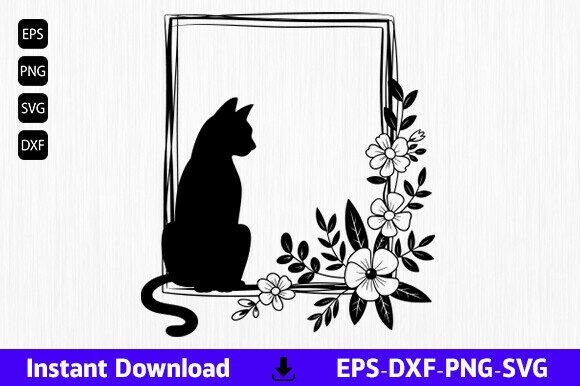
First Impressions of the Floral Cat SVG When I first opened the Floral Cat SVG, ...
Crafts
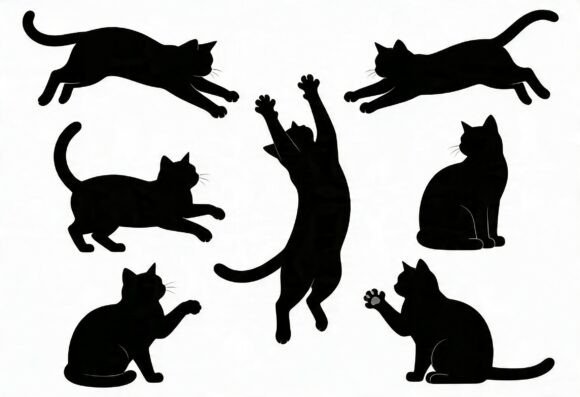
As a brand designer who regularly works with local businesses, I’m always on the...
Crafts
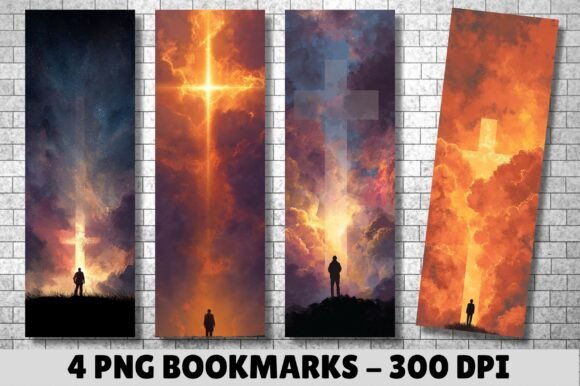
As a professional graphic designer with years of experience in branding, packagi...
Crafts
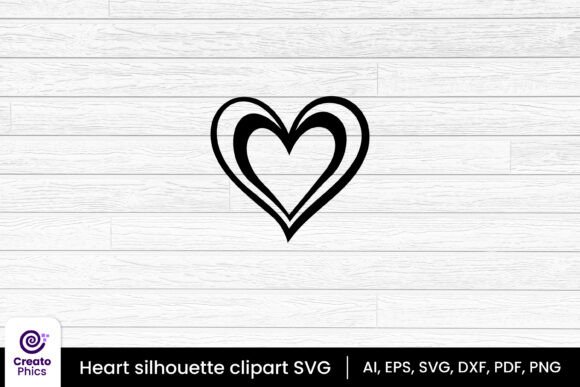
As an experienced crafter and handmade product designer, I always look for graph...
Crafts
As a brand designer who regularly works with local businesses, I always look for...
